
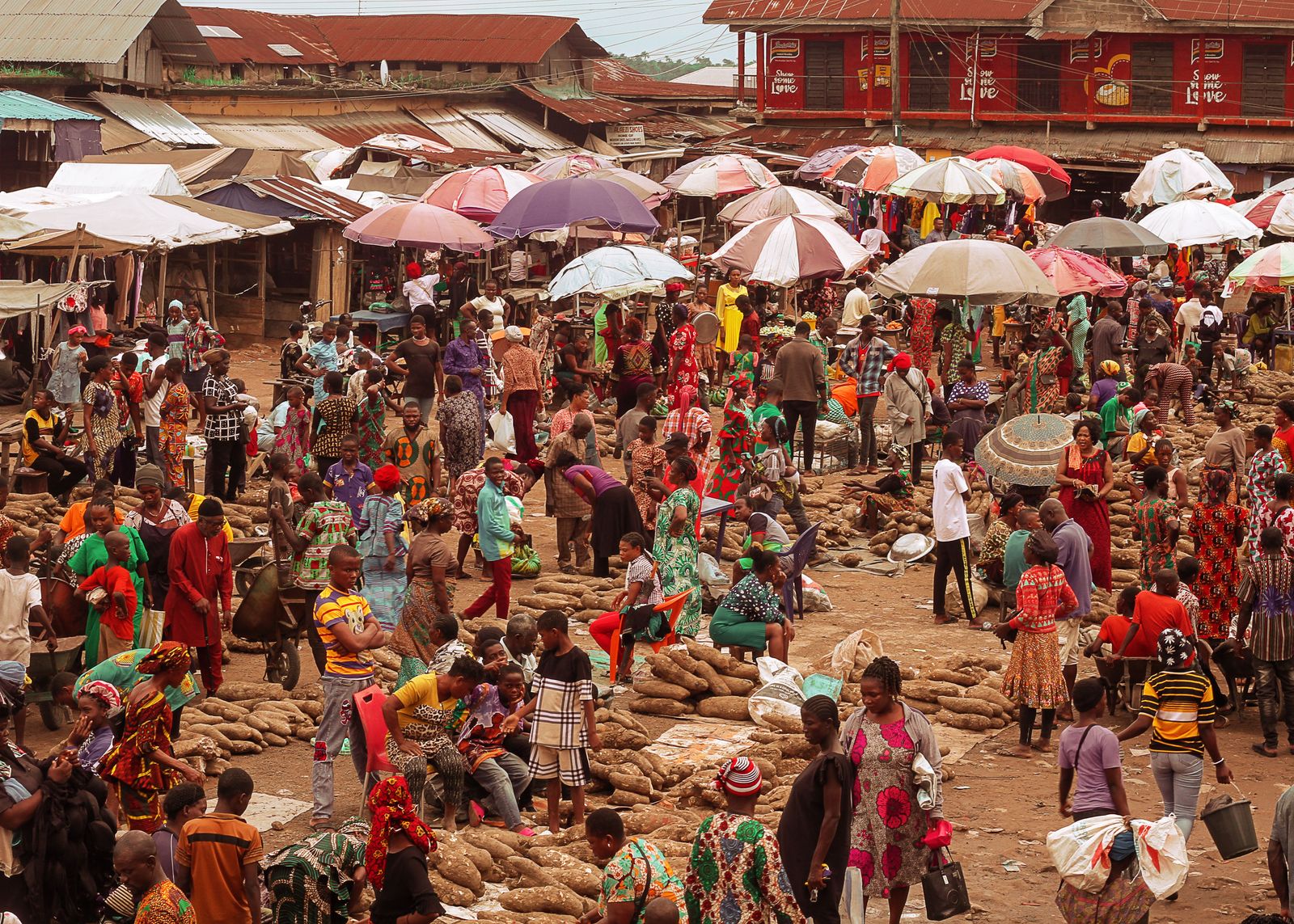
Côte d’Ivoire is the largest economy in francophone West Africa and one of the region’s biggest buyers of agricultural inputs: yet most newcomers underestimate how much of market entry is decided before the first sale.
Key takeaways
- Registration is the gate: no crop-protection product moves legally without national homologation.
- Several actives are banned, paraquat (2021), imidacloprid, chlorpyrifos, so audit your portfolio first.
- Distribution, not demand, is the real constraint; agro-dealers and the Abidjan-to-interior corridor decide reach.
- Input credit and FCFA payment terms make or break volume in a cash-tight market.
The demand is real: cocoa, cashew, rubber, cotton and a fast-growing food-crop sector all pull steady volumes of fertilizer, seed and crop protection. But a strong product and a good price are not enough. Newcomers who treat Côte d’Ivoire as a place to simply ship and sell lose a season, sometimes two, to regulation, distribution and payment realities they did not plan for. This guide sets out what actually decides entry.
Why Côte d’Ivoire
The country anchors the UEMOA market and re-exports into Mali, Burkina Faso and Guinea through well-worn trade corridors. Input demand is broad: from smallholder cocoa and cashew to structured cotton and rubber value chains, plus rice and vegetables driven by food-security policy. For a manufacturer or distributor, that breadth is the opportunity and the trap: each segment buys differently, pays differently, and is reached through a different channel.
Registration is the gate
No crop-protection product enters the market legally without homologation. Registration runs through the Ministry of Agriculture’s plant-protection authority, with a regional route via the CILSS/Sahel Pesticides Committee for products distributed across member states. Fertilizers and seed sit under their own quality-control and certification regimes. The point is simple: registration is not a formality you handle after the first orders: it is the condition of entry, and it takes months. Build it into the timeline, not the afterthought.
Audit your portfolio against the banned list before anything else. Paraquat has been prohibited since 2021; imidacloprid and chlorpyrifos are also withdrawn. Bringing a dossier built around an active that is no longer authorised wastes the one thing you cannot recover: time.
Build the route to market
Demand is not the constraint in Côte d’Ivoire; reach is. The decisive work is the distribution network:
- Pick the channel per segment. Structured value chains (cotton, rubber) buy through organised offtakers; smallholders buy through agro-dealers and cooperatives. One channel will not cover both.
- Recruit and equip agro-dealers. The last mile is a network of independent retailers who need stock, credit and product knowledge: not just a price list.
- Use the corridor. Abidjan is the import and logistics hub; the interior, Bouaké, Korhogo, Man, is where the volume sits. Plan warehousing and replenishment around that geography.
- Earn trust with agronomy. Demonstration plots and field support turn a new brand into a repeat purchase faster than discounting does.
Price, credit and the FCFA reality
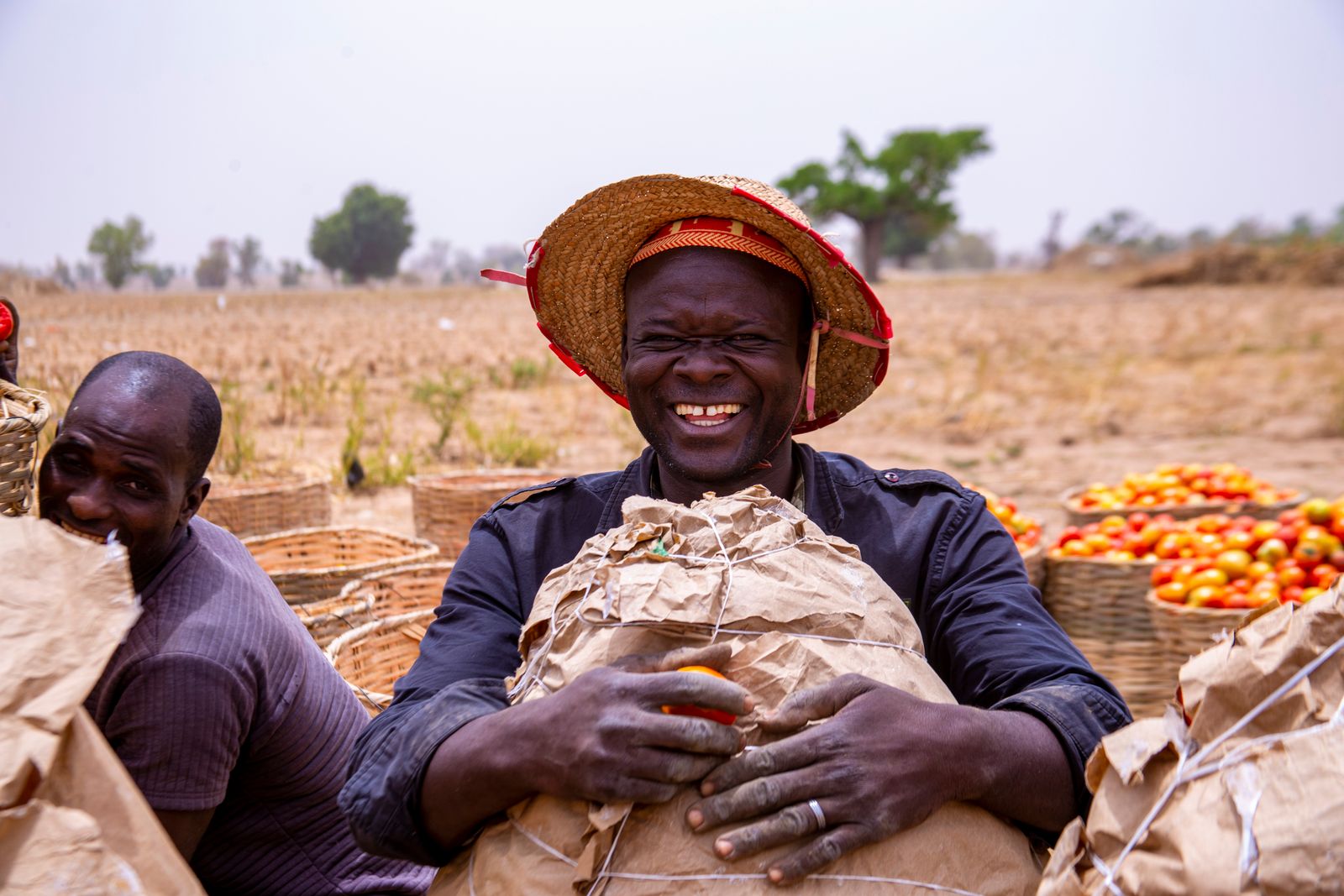
Inputs are bought on thin margins and tight cash. Distributors and agro-dealers need supplier credit to carry stock through a season; farmers often pay after harvest. A pricing model that ignores this, full payment on delivery, no credit line, caps your volume regardless of product quality. The entrants who scale fastest structure payment terms, inventory financing and, where possible, links to input-finance schemes that let buyers commit before they can pay.
The mistakes that stall entry
The recurring ones are avoidable: starting sales before registration is secured; building a portfolio around a banned or soon-to-be-banned active; appointing a single national distributor and assuming reach will follow; pricing as if the market pays cash; and treating agronomy support as a cost rather than the fastest route to repeat orders. Each one costs a season.
Where C2A comes in
C2A sources agricultural inputs from international manufacturers and builds distribution across the Abidjan–Dakar–Bamako corridor. We help manufacturers and distributors enter Côte d’Ivoire with the regulatory, channel and pricing groundwork done first: registration strategy, distributor and agro-dealer networks, and commercial terms built for how the market actually pays.
Planning to enter the Ivorian market?
Start with a focused working session on your registration path, channel design and pricing: or discuss a market-entry mandate.