
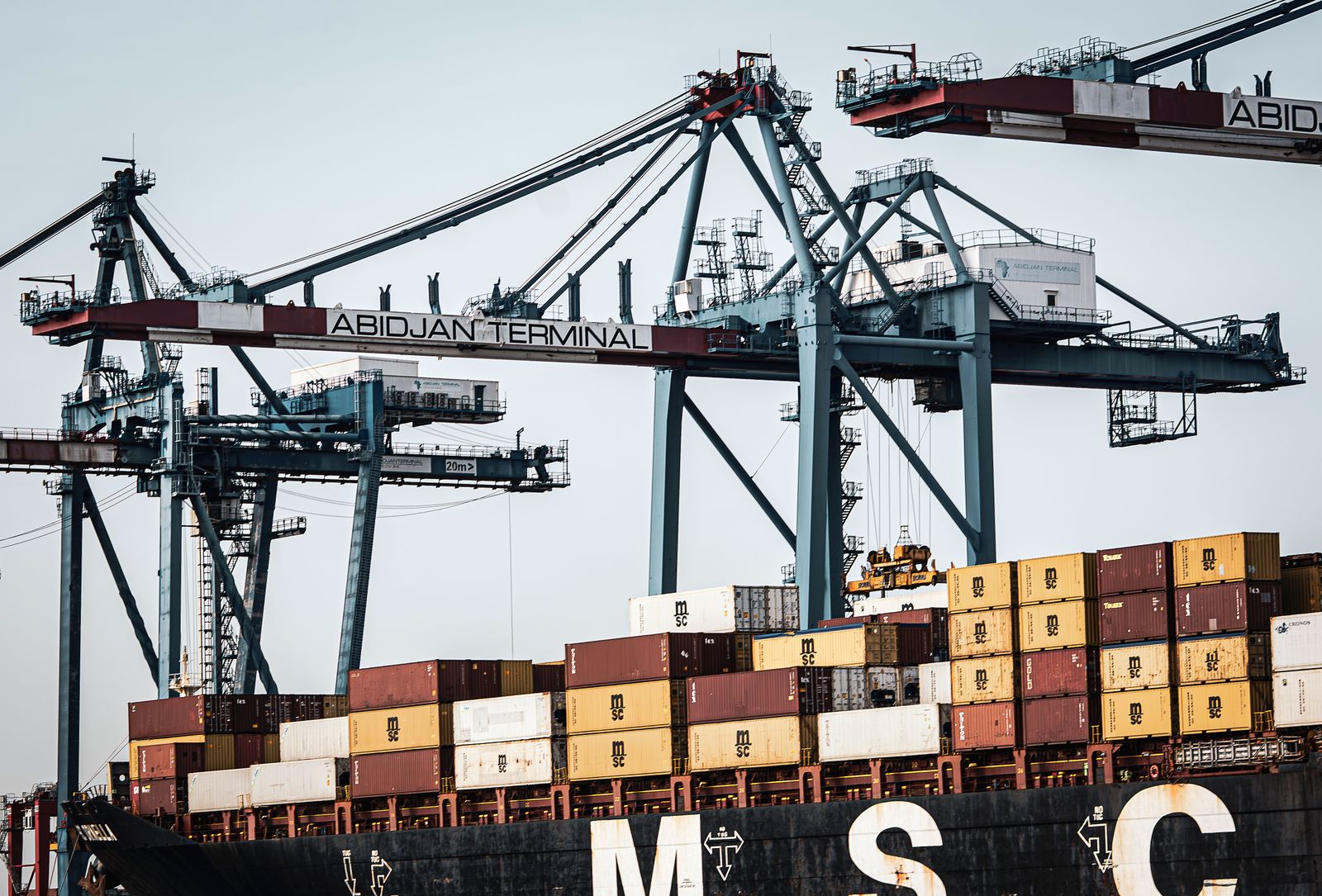
Across West Africa, good projects fail to get financed every year: not because the opportunity is weak, but because the file put in front of the lender is not bankable.
Key takeaways
- A DFI funds structured, de-risked, evidence-backed propositions: not ideas.
- A bankable file answers three questions up front: repayment, risk allocation, and the E&S / impact mandate.
- Seven building blocks decide the outcome; a model that survives a stress test is non-negotiable.
- Most rejections trace back to claims made on faith instead of shown in evidence.
A development finance institution (DFI) such as Proparco, IFC, BOAD, FMO or AFD does not fund ideas; it funds structured, de-risked, evidence-backed propositions. The gap between the two is where most promoters lose six to twelve months. This guide sets out what a bankable project finance file actually contains, the mistakes that get files rejected, and how to shorten the road to a credit committee yes.
What “bankable” really means to a DFI
Bankability is not about how good your project is in absolute terms. It is about whether a credit officer can defend it to an investment committee with the information you have given them. A bankable file answers, before anyone has to ask, three questions: Will it generate the cash to repay? What can go wrong, and who carries that risk? Does it meet our environmental, social and impact mandate? If any of the three is unconvincing, the file stalls: regardless of merit.
The seven building blocks of a bankable file
- Strategic rationale and sponsor strength. Why this project, why this team, why now. DFIs back promoters who have skin in the game and a track record of execution.
- Market evidence. Demand, pricing, competition and offtake: backed by data, not assertion. Letters of intent or offtake agreements move a file from “plausible” to “contracted”.
- A defensible financial model. Transparent assumptions, sensitivity analysis, and the debt-service coverage ratios lenders live by. The model must survive a stress test, not just a base case.
- Risk allocation and security. Every material risk, FX, offtake, construction, regulatory, explicitly identified and allocated to the party best able to bear it, with the security package to match.
- Environmental and social (E&S) safeguards. For DFIs this is not a formality. IFC Performance Standards or equivalent E&S frameworks are a condition of entry, not a box to tick at the end.
- Legal and regulatory standing. Permits, land title, corporate structure and regulatory approvals lined up: the gaps that surface in due diligence are the ones that kill timelines.
- Use of funds and measurable impact. A precise use-of-proceeds and the development impact metrics (jobs, food security, import substitution, climate) that justify a DFI’s participation.
The mistakes that get files rejected
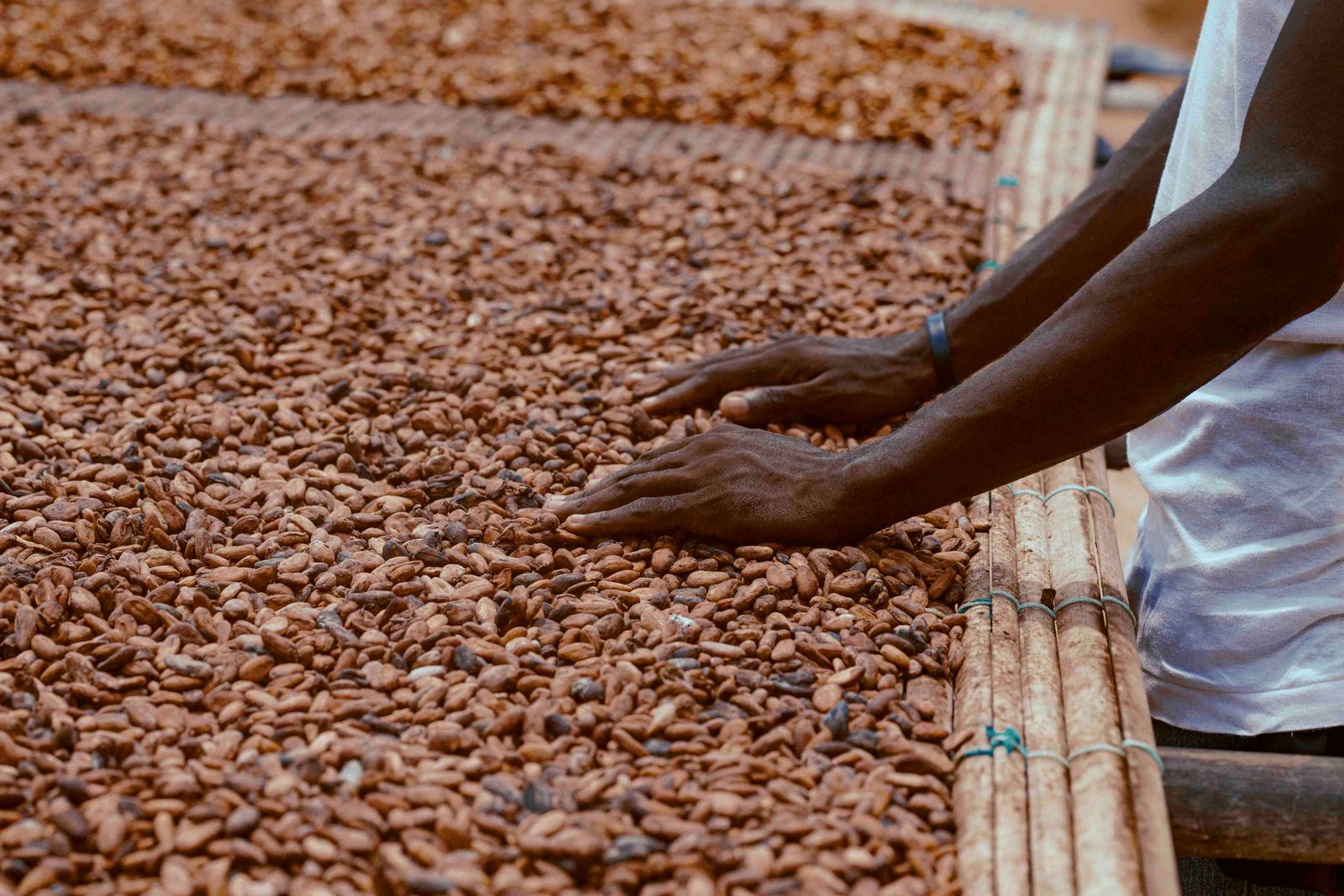
The recurring ones are predictable: a financial model that cannot be interrogated; impact claimed but not measured; risks listed but not allocated; E&S treated as an afterthought; and a funding ask that does not match the use of proceeds. Almost every rejection traces back to a file that asked the lender to take on faith what it should have been shown in evidence.
How long it takes: and how to de-risk the process
From first contact to disbursement, a DFI process commonly runs nine to eighteen months. You cannot compress the institution’s internal cycle, but you can remove the friction that doubles it: arrive with the file already structured to their standards, anticipate the due-diligence questions, and present a single, coherent investment case across the model, the legal pack and the impact narrative. The promoters who get to a term sheet fastest are the ones who did the structuring work before the lender asked.
Where C2A comes in
C2A has structured bank and DFI financing across West Africa, including a framework agreement of USD 50M in Guinea and bank financing structured across three institutions, and prepares bankable documents for Proparco, IFC, BOAD, FMO and AFD. We work alongside promoters to turn a strong project into a file a credit committee can say yes to: model, risk allocation, E&S readiness and impact narrative, built to institutional standards.
Preparing to approach a DFI?
The fastest way to pressure-test your file is a focused working session. We turn a strong project into a file a credit committee can say yes to.