
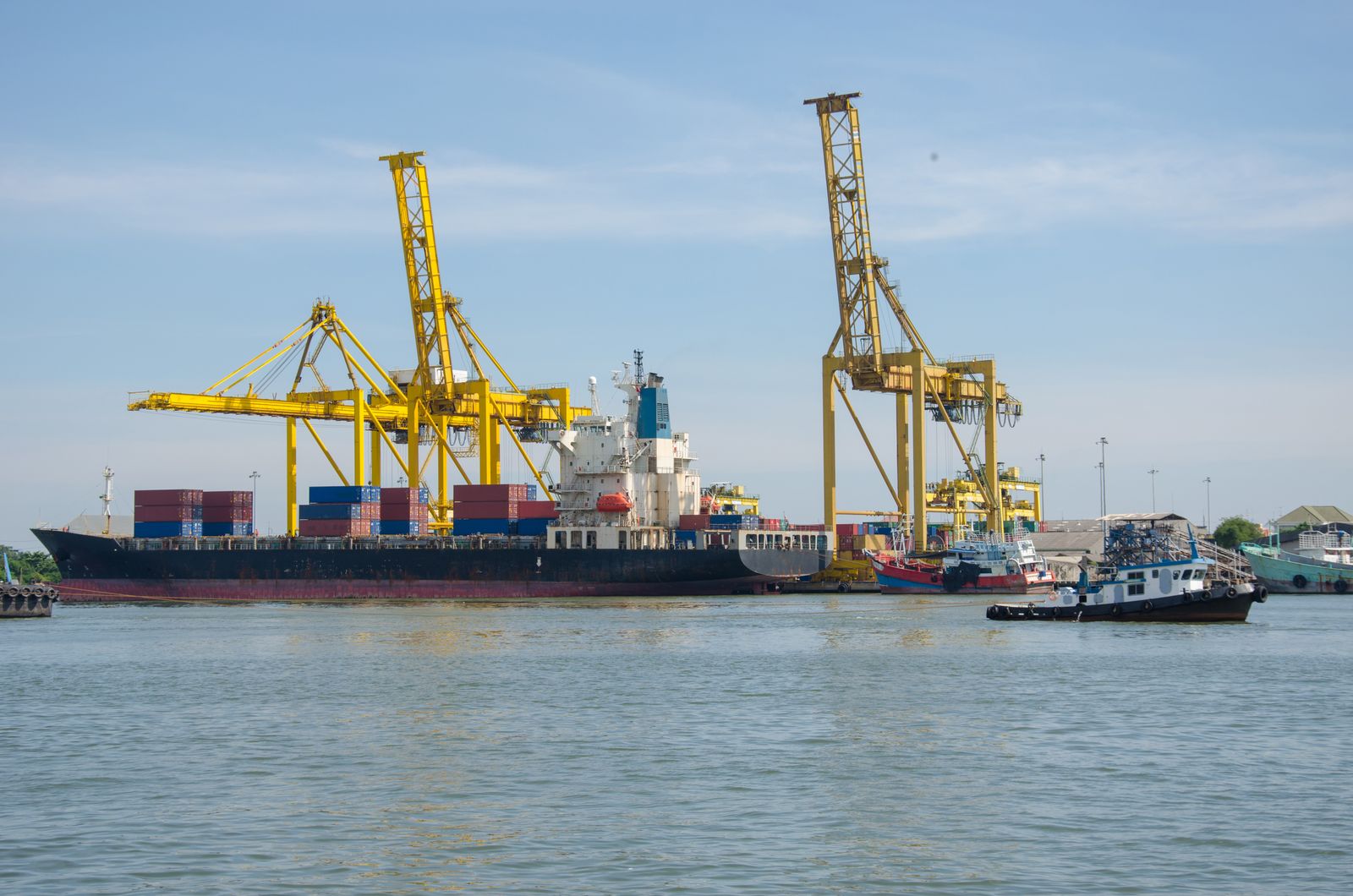
Asia produces most of the world’s fertilizers and crop protection products. West Africa consumes them. The difference between a profitable sourcing operation and a costly one is not the FOB price: it is what happens on quality, registration and logistics between the factory gate and the farmer’s field.
Key takeaways
- The cheapest quote is rarely the cheapest landed cost: quality failures and registration delays cost more than a 5% price difference.
- Registration is the longest lead time in the chain: two to three growing seasons in most West African markets. Start it before you sign supply agreements.
- Pre-shipment inspection and batch analysis are non-negotiable: a container of off-spec product discovered in Abidjan is a write-off, not a claim.
- Payment structure and FX planning decide whether the deal survives a currency swing between order and arrival.
China and India supply the bulk of the active ingredients and finished formulations that reach West African fields: urea and NPK blends, herbicides, insecticides, fungicides in EC, SC, WP and WG formulations. The industrial logic is hard to beat. Production scale, chemistry clusters and export infrastructure keep Asian FOB prices 20 to 40% below European equivalents for comparable specifications.
The catch: a specification on paper is not a product in a bag. Between a factory in Shandong or Gujarat and a distributor’s warehouse in Abidjan, Dakar or Bamako, three filters decide the outcome: quality control, regulatory compliance and logistics execution. Weakness in any one of the three erases the price advantage.
Quality: the specification is the contract
Serious buyers treat the technical specification sheet as the heart of the purchase contract. Active ingredient content and tolerance, formulation type, density, pH, storage stability, packaging materials, labelling language: each line is verifiable, and each line must be verified.
Two controls protect the buyer. First, batch analysis: an independent laboratory tests a sample from the actual production batch, not a golden sample from the sales office. Second, pre-shipment inspection by an international surveyor (SGS, Bureau Veritas, Cotecna) who checks quantity, packaging, marking and draws sealed samples before the container closes. The inspection costs a few hundred dollars per container. A rejected consignment in port costs the full value of the goods plus demurrage, plus a season of lost sales.
Tropical conditions raise the bar. A wettable powder that cakes in coastal humidity, an emulsifiable concentrate that separates above 35°C, a woven bag without a moisture barrier: all pass a factory inspection in a temperate climate and fail six weeks later in a West African warehouse. Specify for the destination, not for the origin.
Registration: the longest lead time in the chain
No crop protection product sells legally in West Africa without national registration, and no registration comes fast. In Côte d’Ivoire, the national pesticides committee requires efficacy trials over multiple campaigns before granting approval. The nine CILSS countries of the Sahel operate a common registration through the Comité Sahélien des Pesticides, one dossier for Mali, Burkina Faso, Senegal, Niger and their neighbours. Ghana and Nigeria run their own national systems. Plan on two to three growing seasons from dossier submission to certificate.
The regulatory map also moves. Côte d’Ivoire banned paraquat in 2021 and has since withdrawn chlorpyrifos and imidacloprid; molecules still marketed elsewhere are closed there. A sourcing plan built on a banned or soon-to-be-reviewed active ingredient is a stranded investment. Check the current authorised list in each target market before you qualify a supplier, and build the registration calendar into the commercial plan rather than treating it as an afterthought.
A sourcing playbook that survives contact with reality
- Write the specification per SKU. Active ingredient, tolerances, formulation, packaging, labelling, shelf life. This document governs everything downstream.
- Qualify two to three manufacturers per molecule. Factory audit, reference checks, sample analysis by an independent laboratory. Single-source supply is a negotiation handicap and a continuity risk.
- Lock the registration pathway per market. Who holds the registration, who owns the data, what happens to the certificate if the commercial relationship ends. Registration ownership is leverage.
- Structure payment and currency. Letters of credit or documentary collection, deposit levels matched to production lead times, and a plan for the FCFA-USD exposure between order and arrival.
- Make pre-shipment inspection a condition of payment. No clean inspection report, no shipment, no final payment.
- Plan logistics to the warehouse, not to the port. Transit times from Asian ports to Abidjan or Dakar run four to seven weeks; add customs, port handling and inland transport to Bamako or Ouagadougou. Stock planning starts from the field application calendar and works backwards.
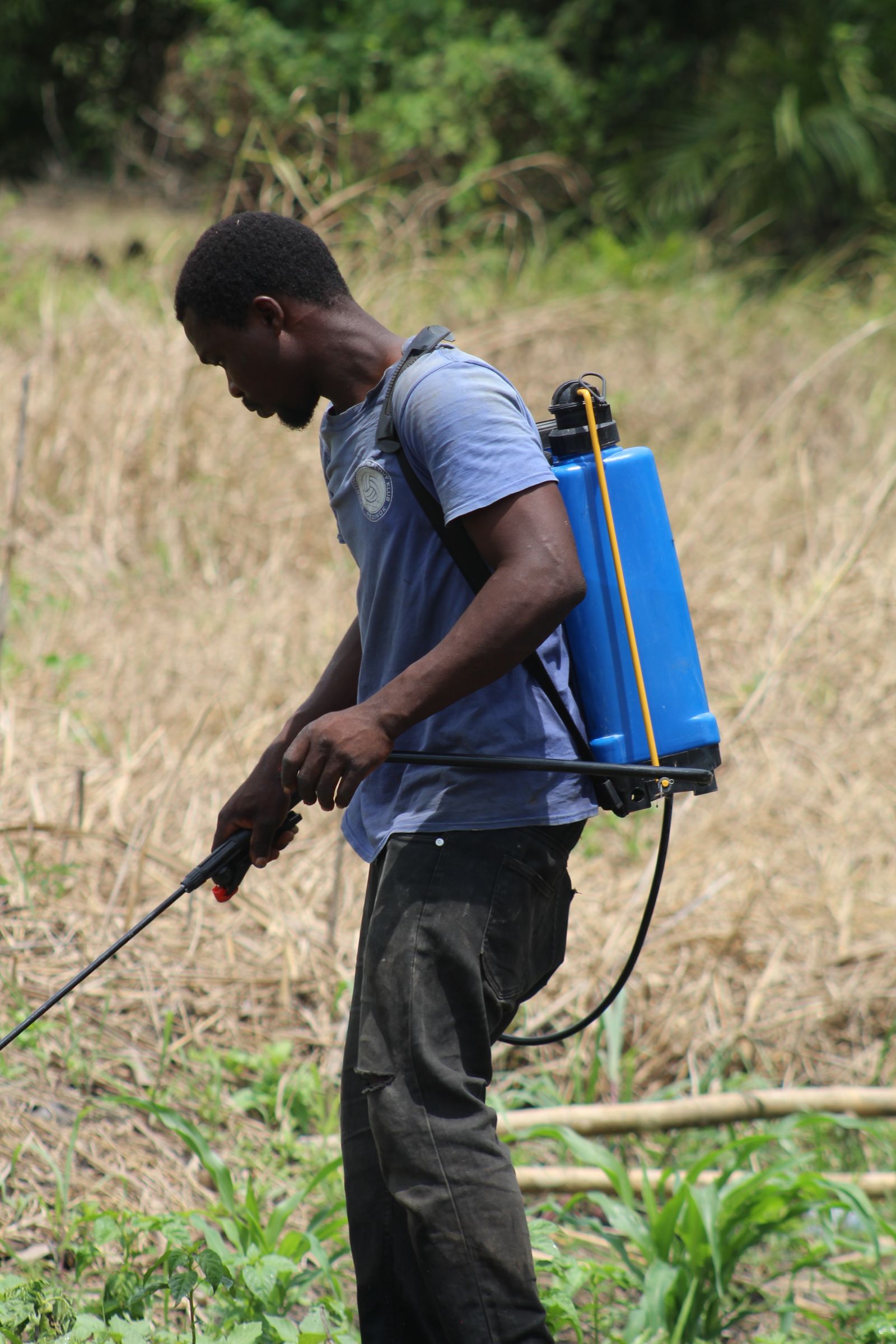
Where C2A comes in
C2A CONSULTING ET TRADING SARLU sources and represents selected international manufacturers of fertilizers and crop protection products for West African markets. We qualify suppliers, verify quality, navigate registration with national committees, and structure the commercial and financing side of import programmes. Our track record includes bank and DFI financing files across West Africa and a USD 50 million framework agreement in Guinea.
Building or fixing an agri-inputs supply chain?
Book a session or send us the outline of your project. We answer with specifics, not generalities.