
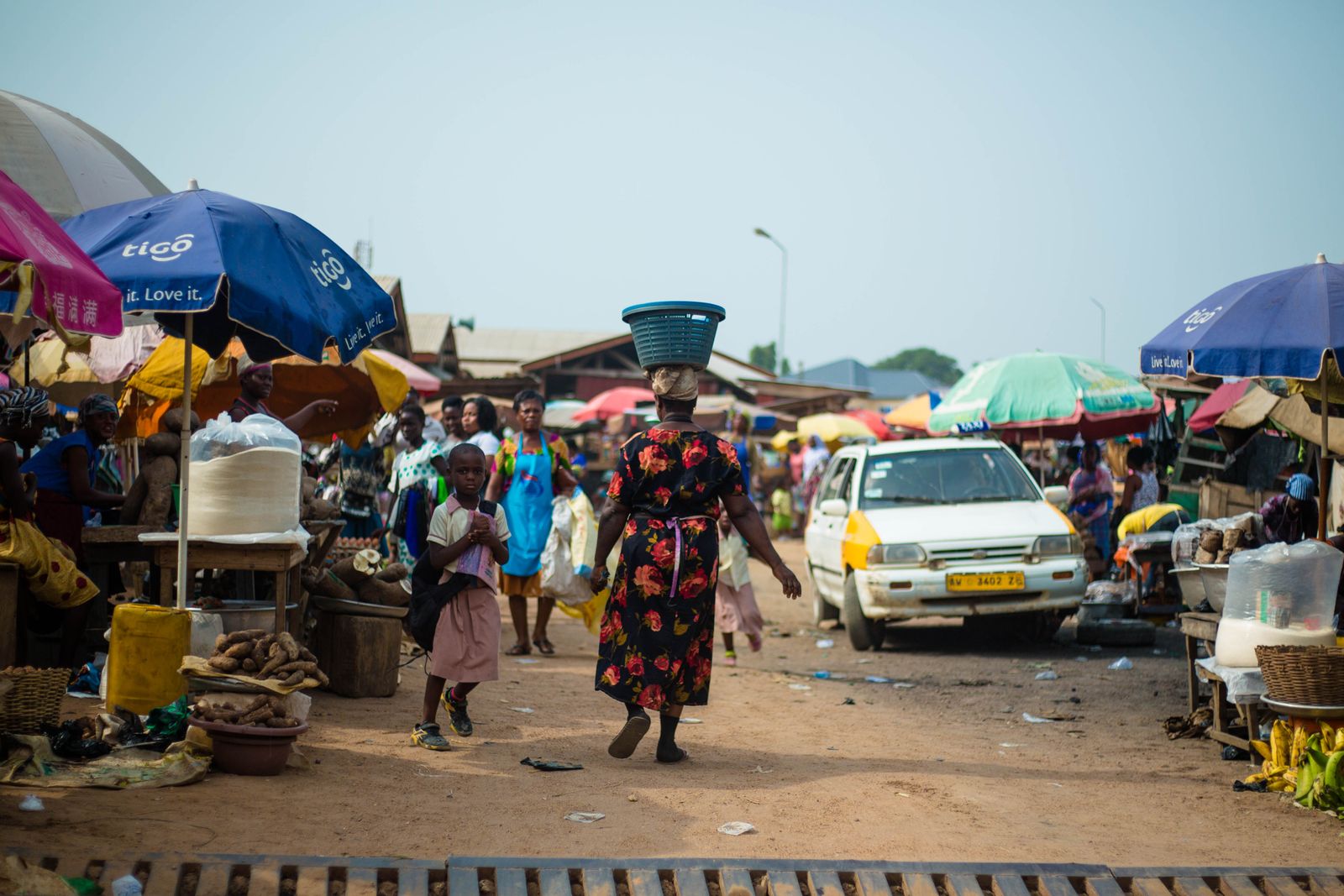
In 2024, before touching a single line of the budget, the founder of C2A spent eight weeks on the roads of Cote d’Ivoire with his sales teams, all the way to the five borders. The numbers only started to make sense after that.
Key takeaways
- A distribution P&L is written in three places: the invoice, the warehouse, and the customer’s own operating account.
- Gross margin is decided at purchase. Fertilizer prices moved far enough in 2026 to erase a season of pricing discipline.
- Farmgate income sets input demand and repayment. When it halves mid-season, the plan built in October is void.
- Releasing working capital from inventory buys more room than any commercial campaign.
Read the network before you read the numbers
The P&L handed to an incoming commercial director is an average of situations he has not seen. It nets a distributor in Korhogo who pays on delivery against one in Daloa who has been rolling the same balance for two seasons. The average hides the two facts that decide everything: where the product actually stops moving, and who is carrying the credit.
The chain between an input importer and a grower is long. Importer, distributor, sub-distributor, village shop, and only then the field. Each link takes its margin and its delay. A world price does not trickle down to the field. It travels, and it arrives amputated and late. Any recovery plan that assumes a price decision taken in Abidjan reaches the grower intact is wrong before it starts.
Working inside that structure, the founder of C2A reorganised a distribution network into four commercial zones and moved it from direct retail to contractual distribution: objective contracts, rebates tied to volume and to payment behaviour, one named owner per zone. The reorganisation did not add customers. It made the existing ones legible, which is the condition for every other fix.
Margin is bought before it is sold
Purchase timing decides the gross margin of a season more than the price list does. The World Bank Pink Sheet published on 2 July 2026 gives the measure: urea (East Europe, prill spot f.o.b. Middle East) traded at 856.9 dollars per tonne in April 2026, 770.5 in May, and 453.1 in June. DAP stood at 783.8 dollars per tonne in June. A distributor who filled his warehouse in April and sells in June against a replacement cost half as high has lost the season’s margin before issuing his first invoice.
The correction is procedural. Price against replacement cost rather than historical cost, revise the list every month through the import window, and separate the purchasing decision from the sales forecast. A commercial team that sets its own buying volume will buy for the year it hopes for. Currency timing compounds the same exposure, which we covered in FX and FCFA risk.
Your customer’s income is a line in your P&L
The entry point of any input plan is the grower’s operating account. On 4 March 2026 the Minister of Agriculture announced a guaranteed farmgate cocoa price of 1,200 FCFA per kilogram for the 2025-2026 mid-crop, against the 2,800 FCFA per kilogram set for the main crop of the same season. The planter who budgeted his fertilizer in October is arbitrating a different account in April.
Two consequences land straight in the distribution P&L. Demand for the top of the range falls first: growers keep the fertilizer of the base and drop the biostimulant. And input credit granted against the main crop becomes harder to recover on the mid-crop, a mechanism we detailed in structuring input credit that gets repaid. Sales targets built on fiscal quarters miss both. Targets built on the crop calendar see them coming.
Cash sits in the warehouse and in the ledger
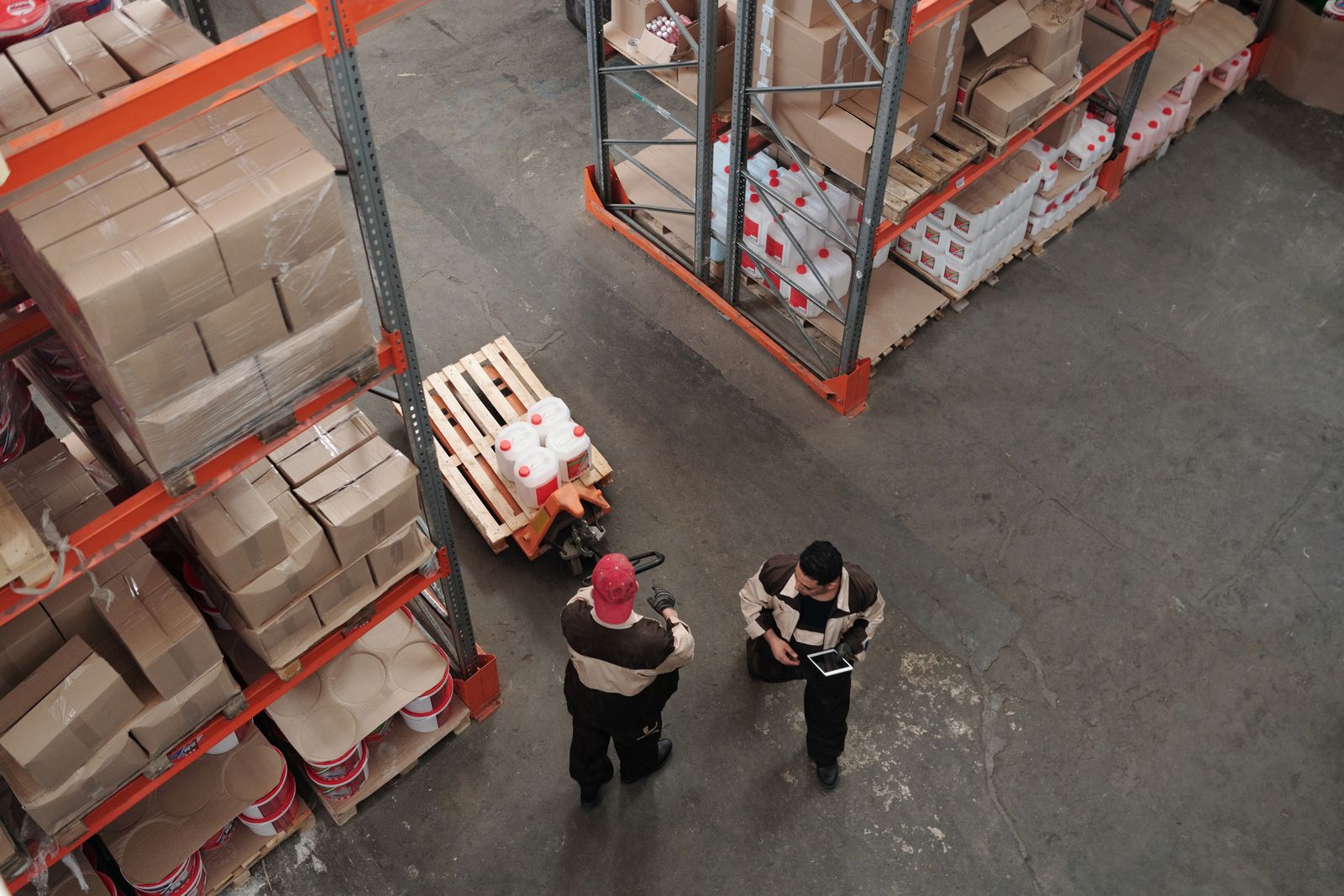
A warehouse is a bank account that nobody reconciles. In a West African distribution business, the founder of C2A brought an inventory of 3 billion FCFA down to 1 billion, releasing the working capital the commercial plan had been waiting for: make-versus-buy arbitrage on formulated lines, targeted liquidation of dead references, and replenishment discipline.
Financing conditions will not rescue a heavy balance sheet. The BCEAO held its main policy rate at 3.00 percent and its marginal lending rate at 5.00 percent at its Monetary Policy Committee of 10 June 2026, with union inflation projected at 1.6 percent for the year. Cheap refinancing at the top of the chain does not make a distributor’s overdraft cheap, and it has never paid for obsolete stock.
- Count what you own, reference by reference, with the entry date. Age is the information. Quantity is only the invoice.
- Clear the dead references before the campaign, at a price that hurts once, instead of carrying them into a second season at full cost.
- Arbitrate make versus buy on every formulated line. An under-loaded plant is a cost, and a fully loaded one is not automatically a margin.
- Set a replenishment rule per zone and per reference, and take the ordering pen away from whoever is paid on volume.
None of these four moves is clever. Each one is refused for the same reason: it makes a past decision visible. That is exactly why the P&L improves once they are done.
Where C2A comes in
We work alongside operators who have inherited a commercial P&L they did not build. The sequence is the same each time: read the network on the ground, rebuild the purchasing calendar against replacement cost, rebase the sales plan on the crop calendar, and free the cash locked in the warehouse and the receivables ledger. We bring twenty years of West African distribution operations to the diagnosis, and we stay through the execution, because a plan nobody carries to the fourth zone is a document.
Sitting on a P&L that will not move?
Bring us the last two seasons and the current stock list. We will tell you in one session where the margin actually went.